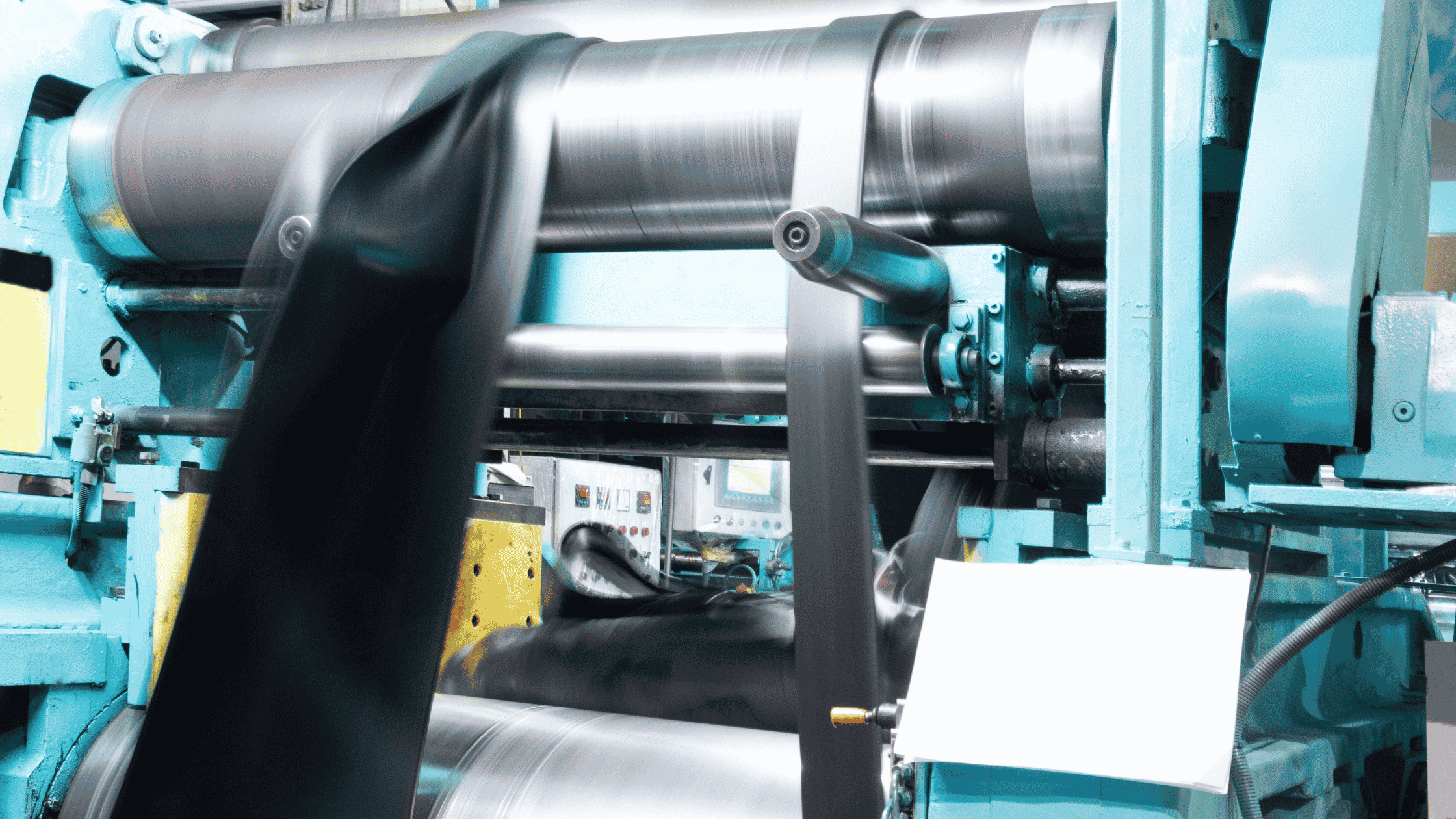
Rubber compounding is a critical stage in determining the final performance of rubber products. The formulation process influences hardness, elasticity, chemical resistance, temperature stability, durability, and molding behavior during production.
Rubber Compounding for Performance-Oriented Manufacturing
Rubber Compounds Types
- Silicone Rubber (Hs 20 – 80)
- Suitable for high-temperature environments, flexibility, and stable performance applications.
- Viton / FKM (Hs 40 – 90)
- High-performance compound with excellent chemical and heat resistance.
- Polyurethane (Hs 40 – 90)
- Durable material with strong abrasion resistance and mechanical strength.
- EPDM (Hs 40 – 80)
- Excellent weather, ozone, and outdoor resistance.
- CR / Neoprene (Hs 40 – 80)
- Balanced performance against weather exposure and industrial environments.
- NBR (Hs 40 – 80)
- Designed for oil resistance and industrial machinery applications.
- NR / Natural Rubber (Hs 40 – 80)
- High elasticity and good mechanical properties for dynamic applications.
- Butyl Rubber (Hs 40 – 60)
- Low gas permeability with good sealing characteristics.
- SBR (Hs 40 – 80)
- Versatile compound commonly used for industrial rubber applications.
- Acrylic Rubber (Hs 40)
- Suitable for heat and oil resistance applications.
Fully Integrated Rubber Manufacturing Process
Step 1
Inquiry & Requirement Review
Customer requirements, drawings, or samples are reviewed to understand product specifications and manufacturing needs.Step 2
Compound Formulation & Feasibility
Material selection and compound formulation are evaluated based on application and production requirements.Step 3
Mold Preparation & Production Trial
Mold setup and production trials are conducted to verify product dimensions and molding performance.Step 4
Production Planning & Quality Preparation
Production scheduling, material preparation, and quality planning are arranged for mass production readiness.Step 5
Mass Production & Quality Control
Mass production is carried out with continuous quality monitoring to maintain consistent manufacturing results.Rubber Compounding Solutions We Support
Tailored Compound Development for Industrial Applications
Rubber compounds are formulated based on product function, operating conditions, and manufacturing requirements to achieve targeted material performance.
Material Characteristics Optimized to Application Requirements
Compound properties can be adjusted based on hardness, flexibility, elasticity, durability, and resistance requirements for specific industrial applications.
Supporting Stable Industrial Production Requirements
We support continuous rubber compound supply for OEM and industrial manufacturing with controlled formulation consistency and scalable production capability.
Consistent Compound Appearance for Manufacturing Applications
Rubber compounds can be developed with customized color specifications while maintaining stable material performance and processing characteristics.
Supporting Product Testing and Manufacturing Preparation
Compound preparation support for sampling, testing, and production trials to help evaluate material suitability before mass production implementation.
Certified for Quality and Reliability
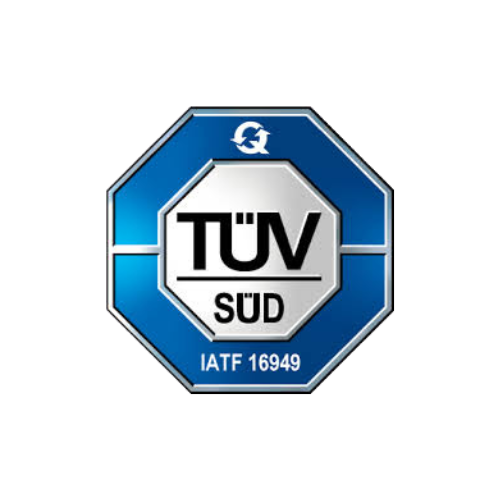
IATF 16949:2016
Our Manufacturing Capabilities



Why Choose Banshu Rubber Indonesia
Integrated Rubber Manufacturing Process
From compound formulation to production, each process is managed through controlled manufacturing systems to support consistent quality and stable production performance.
Custom Compound & Material Expertise
Rubber compounds are developed based on application requirements including hardness, temperature resistance, chemical exposure, and durability performance.
Quality-Oriented Production System
Production and inspection processes are managed to maintain material consistency, dimensional accuracy, and reliable manufacturing quality.
Supporting Industrial & OEM Manufacturing
Experience supporting industrial and OEM applications for automotive, electronics, infrastructure, mining, medical, and home appliance industries.